Cognitive, made in Australia.
Nootropic and neuropeptide research compounds including Semax, Selank, DSIP and Cerebrolysin.
Nine compounds studied for cognition, mood and neuroprotection. Most come from one research tradition — Russian peptide development, which produced Semax, Selank, epithalon's relatives and a characteristic design method — and the rest are unrelated: a porcine brain-derived mixture, a hormone with a Nobel Prize behind it, and a designed ion channel blocker. The evidence quality varies more here than in any other category.
One design method, several compounds
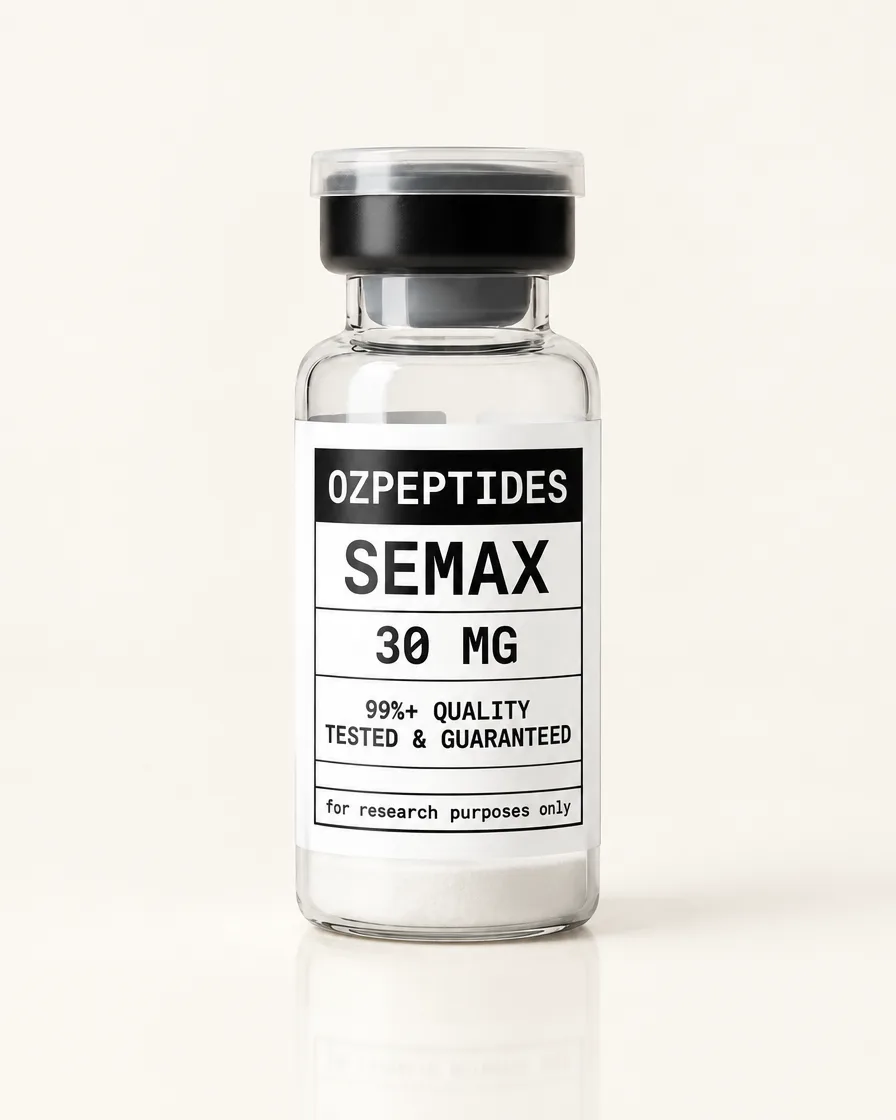
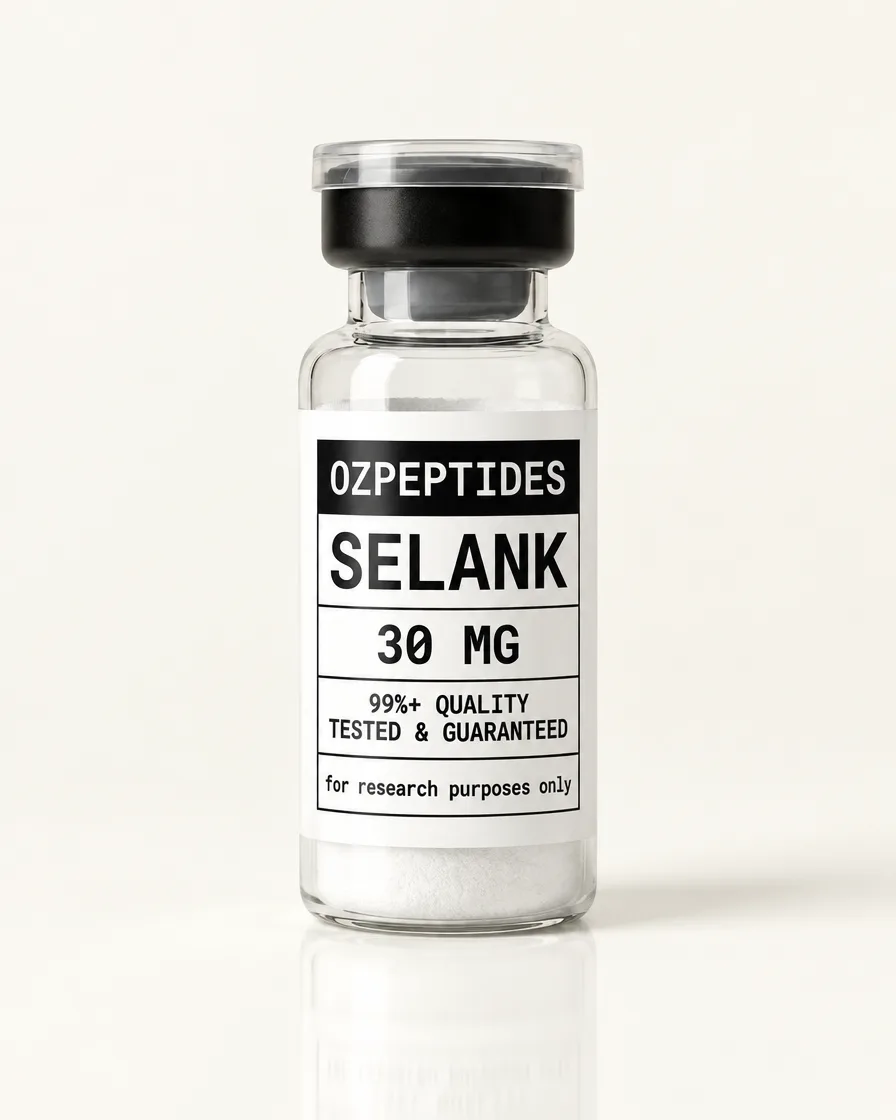
Semax, Selank and their relatives share a construction method: take an active fragment of a larger molecule, attach a proline-glycine-proline tail that resists enzymatic degradation, and you have a peptide stable enough to study. Semax's fragment comes from ACTH(4-7), Selank's from tuftsin, a fragment of immunoglobulin G.
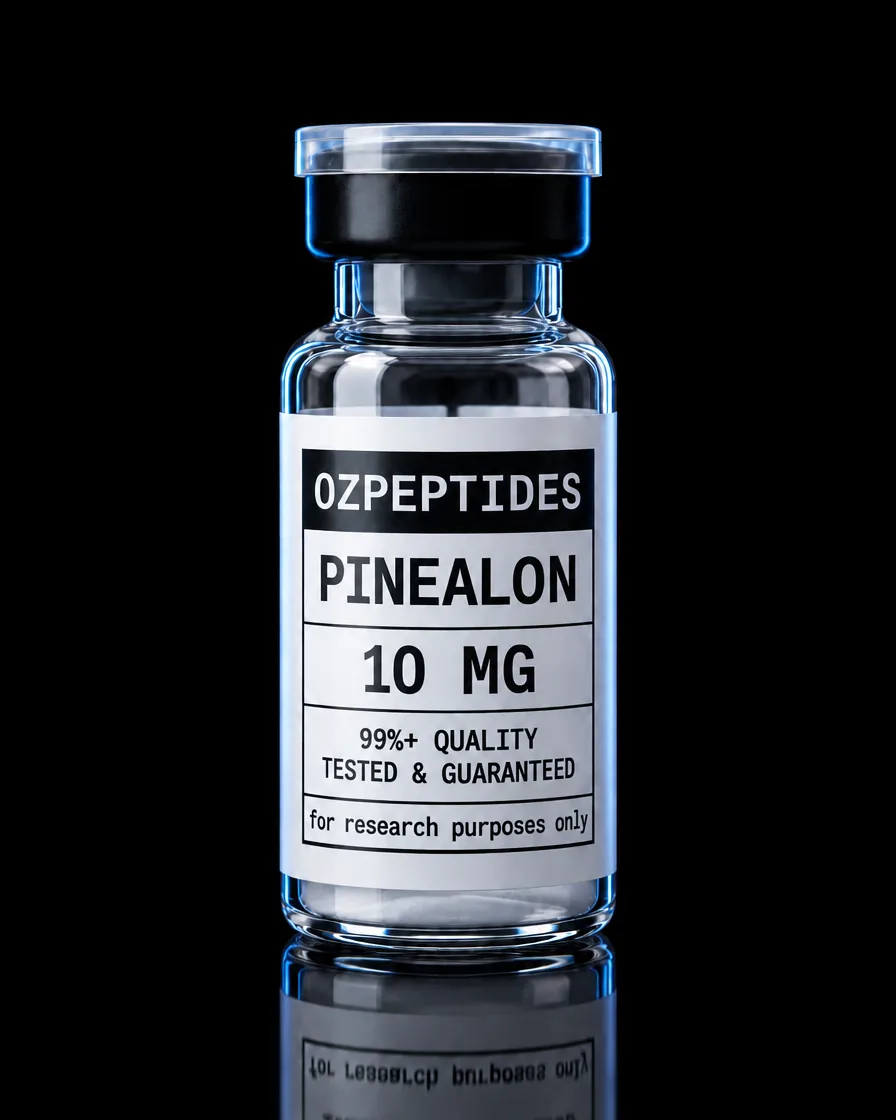
Recognising the motif is useful when reading this family, because it marks these compounds as products of one programme with one set of assumptions and one body of evidence. Pinealon comes from a related but distinct line, Vladimir Khavinson's peptide bioregulator work, which proposes that short tissue-derived peptides regulate gene expression in the tissue they came from.
Both were developed as intranasal formulations, and the published dose figures generally refer to that route — the olfactory pathway reaches the central nervous system without crossing the blood-brain barrier through circulation.
Reading a single-tradition literature
The Russian literature on these compounds is substantial in volume and largely unreplicated internationally. That is a methodological observation rather than a dismissal: trials that cannot be checked — because reporting is thin, the journal is not indexed, or no unaffiliated group has repeated the work — carry less evidential weight regardless of where they were run.
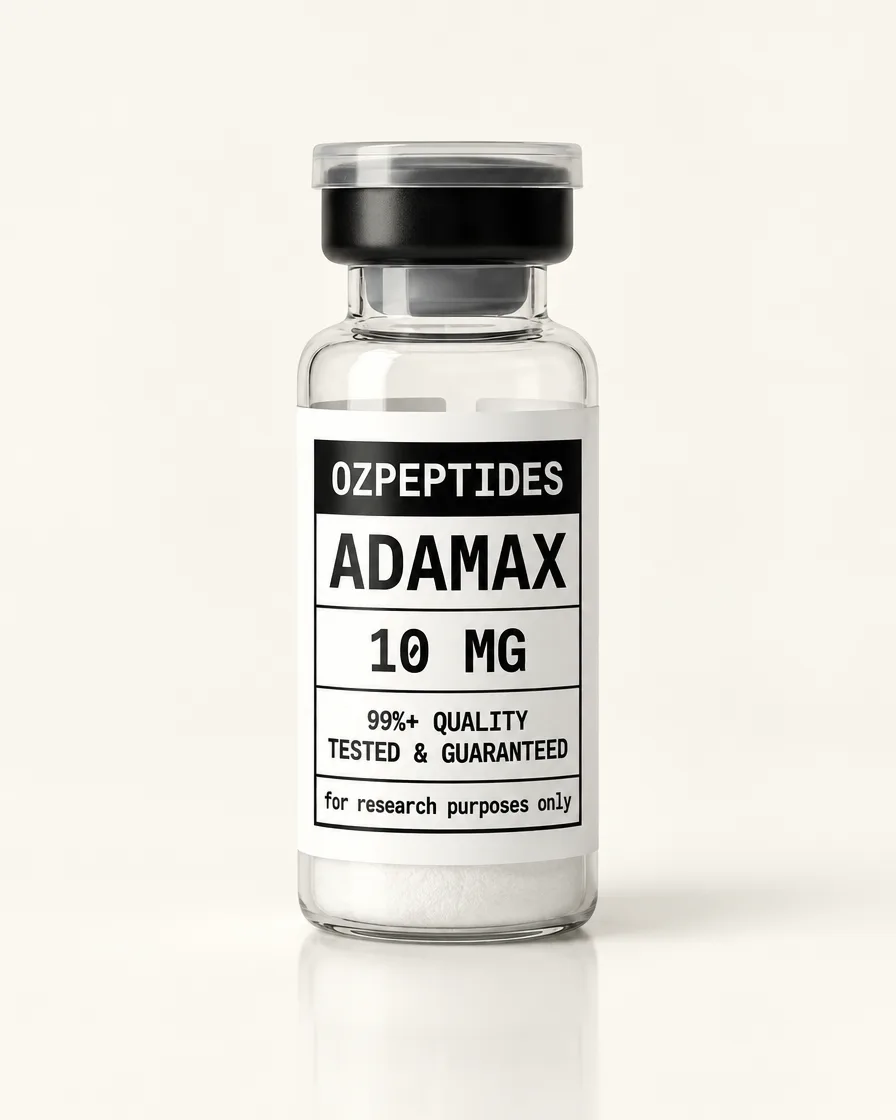
What it means practically is that publication volume is not a substitute for replication, and a compound with fifty papers from one tradition and none from outside it is not as well established as the paper count suggests. That applies to Semax, Selank, Pinealon and Adamax, and most acutely to Adamax, which has less even than its relatives.
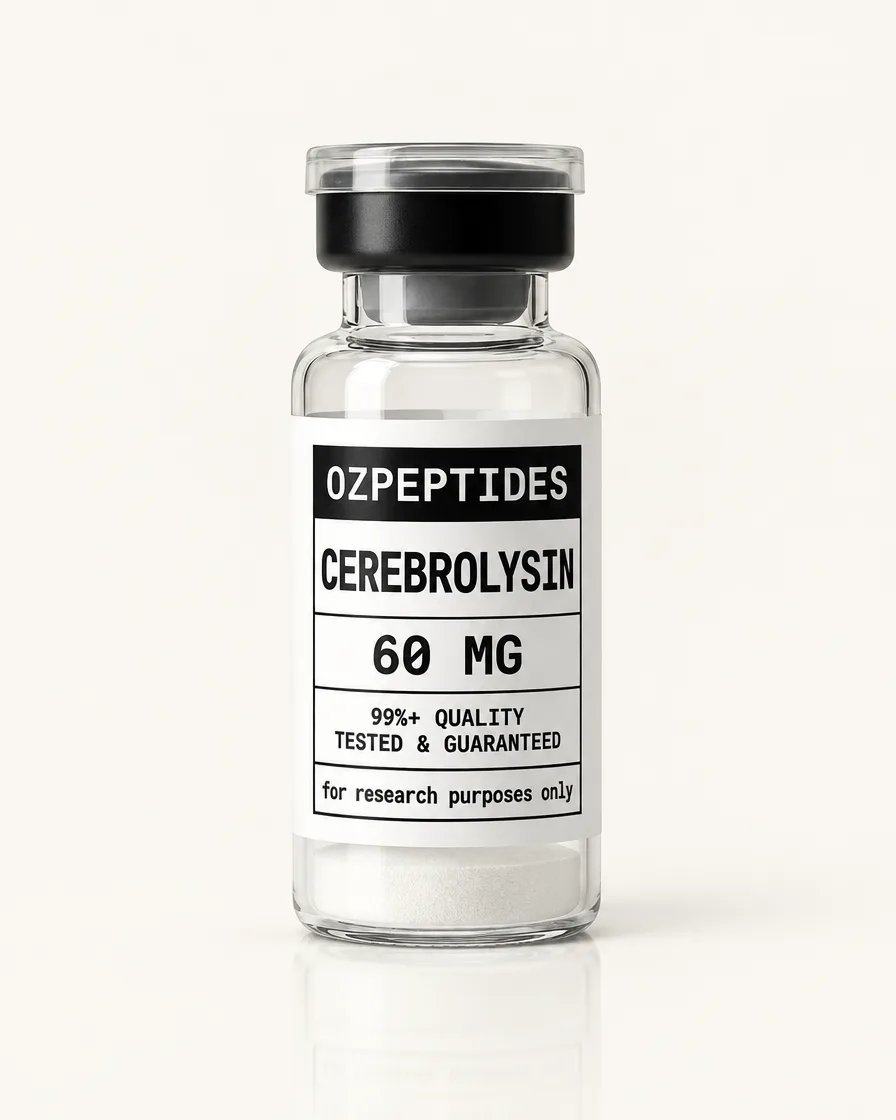
Cerebrolysin is the opposite problem: a large international trial literature in stroke and dementia that Cochrane reviewers have found insufficient to support routine use, citing heterogeneity and risk of bias. Abundant evidence and inconclusive evidence are not the same thing.
The compounds that do not fit the pattern
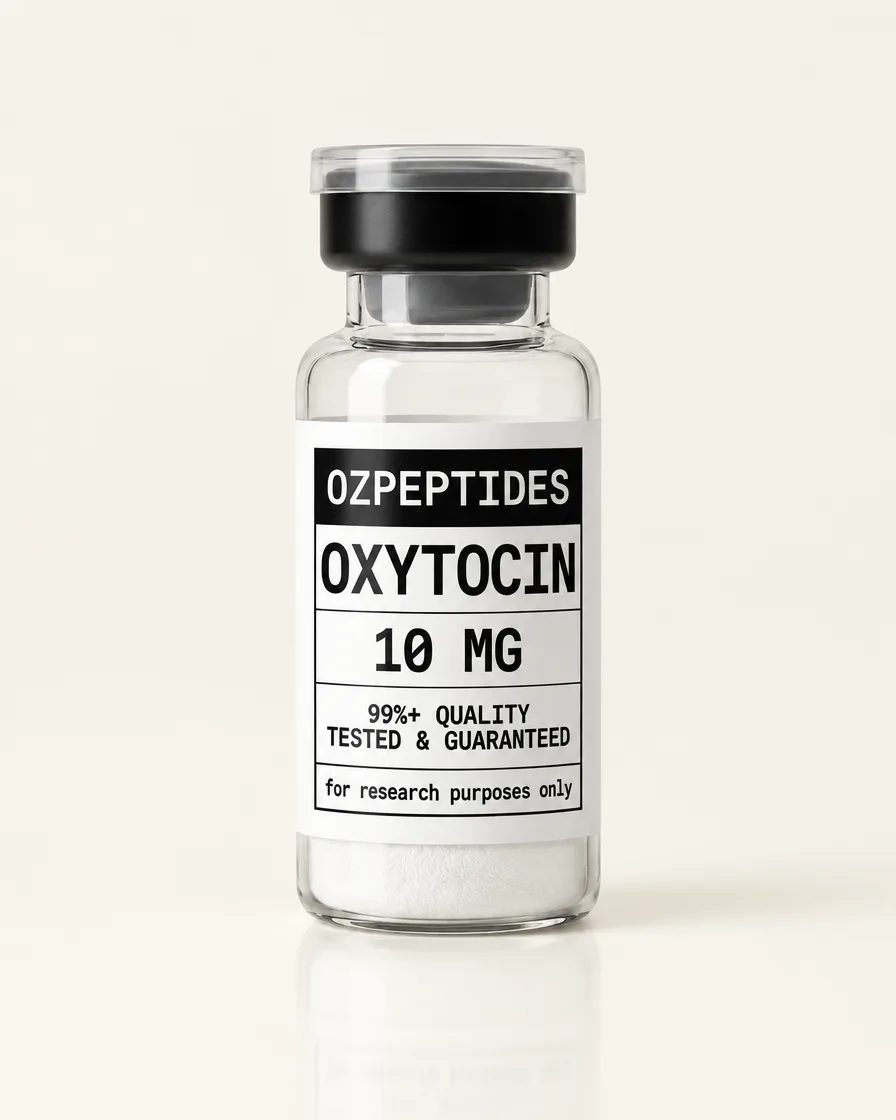
Oxytocin is an approved medicine worldwide, registered in Australia for obstetric use, and among the first peptide hormones ever sequenced and synthesised — du Vigneaud's 1955 Nobel Prize established that peptide hormones could be made in a laboratory at all. Its social-behaviour literature, by contrast, has well-documented replication problems.
Cerebrolysin is not a peptide at all but a mixture of peptides and amino acids from enzymatic breakdown of porcine brain protein, standardised by process rather than by chemical structure. Questions about sequence and HPLC purity do not translate to it.
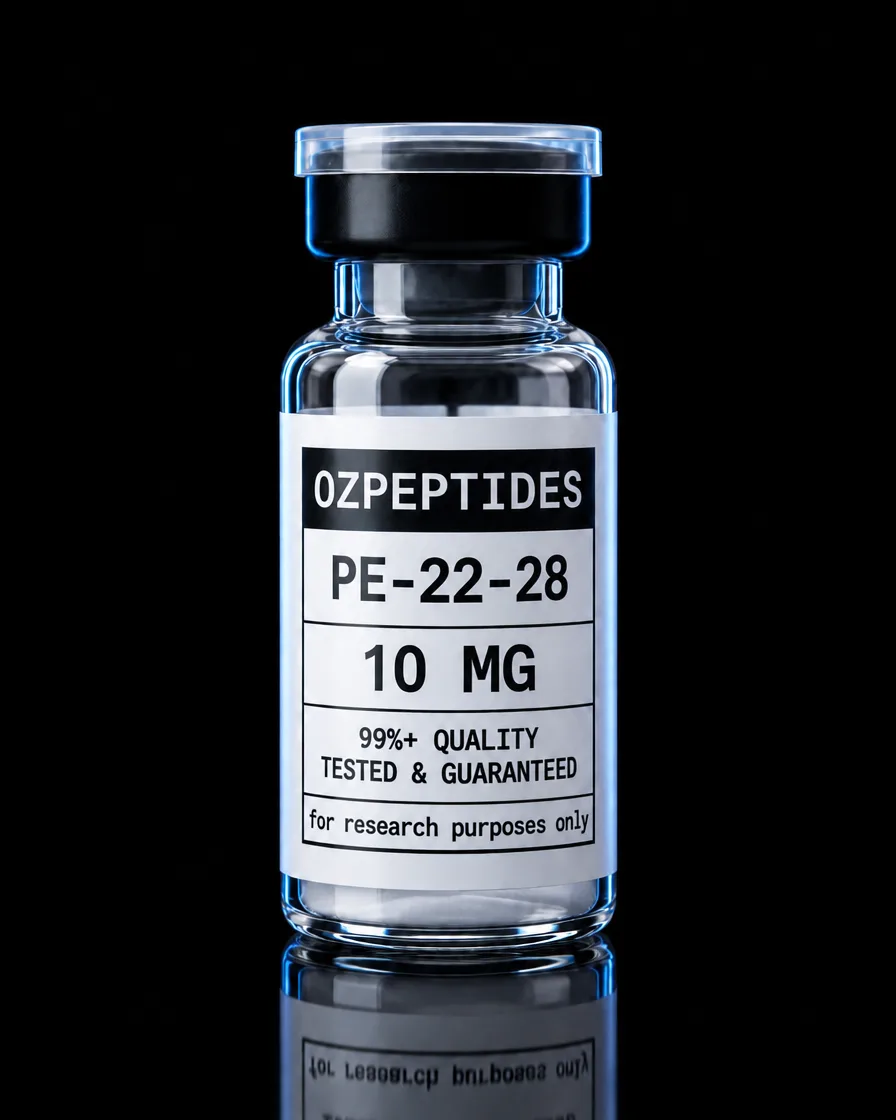
PE-22-28 is a designed blocker of the TREK-1 potassium channel, derived from the natural fragment spadin. Its target has genuine genetic support — TREK-1 knockout mice show a depression-resistant phenotype — while the compound itself has only rodent behavioural data.
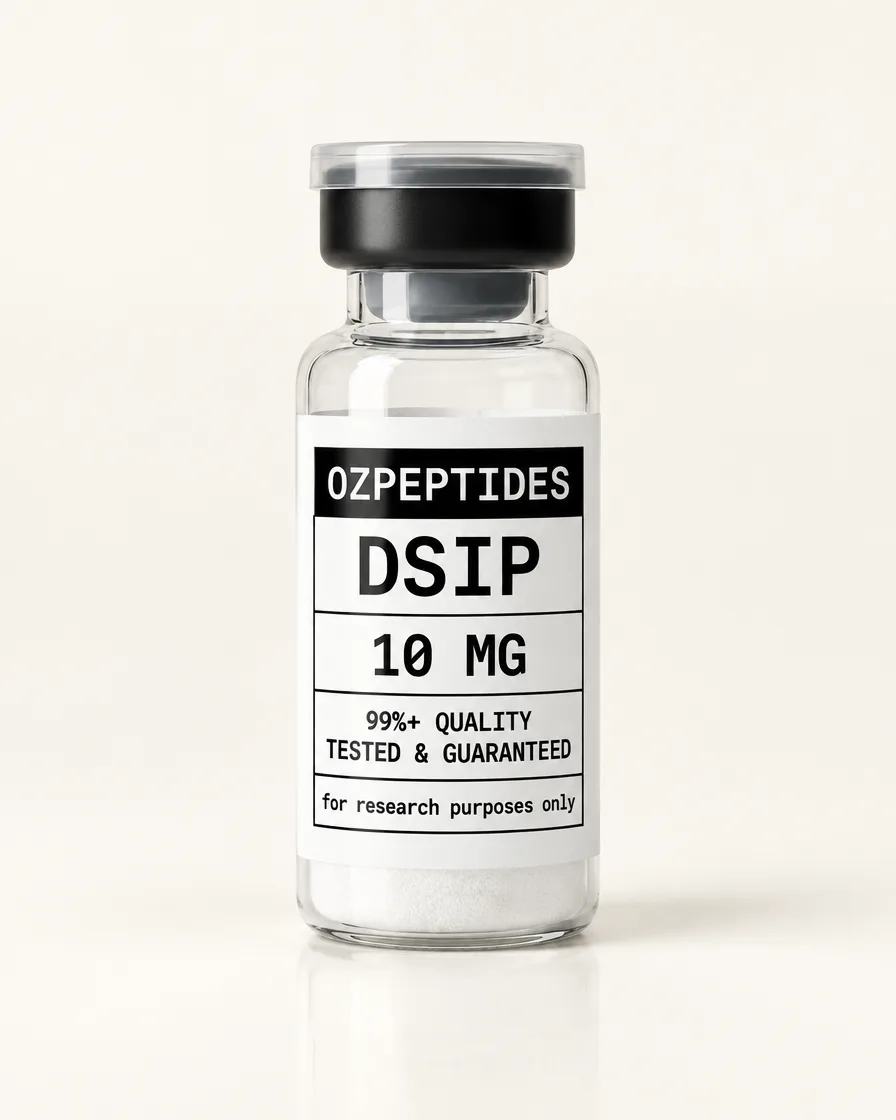
DSIP is the cautionary example: named delta sleep-inducing peptide in the 1970s for an effect that largely failed replication, with no identified receptor in fifty years. The name is not a citation.
Why identity testing matters especially here
Several compounds in this category are sold in multiple variants that share one name and differ in mass. Semax comes in plain, N-acetylated and amidated forms; Selank in plain and amidated. They are distinct products with distinct behaviour, and an HPLC purity figure cannot tell them apart — purity measures the fraction of a single species present, not which species it is.
The obscure compounds raise the standard rather than lowering it. With a familiar peptide there is published reference data to check against; with something as thinly documented as Adamax there is only the supplier's own analytical work. Mass spectrometry per batch is what makes that work meaningful.
Regulatory status and sport
Oxytocin is registered in Australia; Cerebrolysin is registered in a number of countries in Europe and Asia but not here; Semax and Selank are registered medicines in Russia, which carries no weight in Australia. Nothing else in this category is approved anywhere.
For athletes, the compounds with no human therapeutic approval fall under the WADA S0 catch-all, prohibited at all times. Semax and Selank sit in an arguable position because of their Russian registration, and an arguable classification is a bad place for an athlete to be. Research-grade material carries no therapeutic use exemption pathway in any case.
Choosing between them
For anything requiring a defined molecule with known mass and structure, the synthetic peptides are the only option — Cerebrolysin is deliberately a mixture and cannot be characterised the way a single compound can.
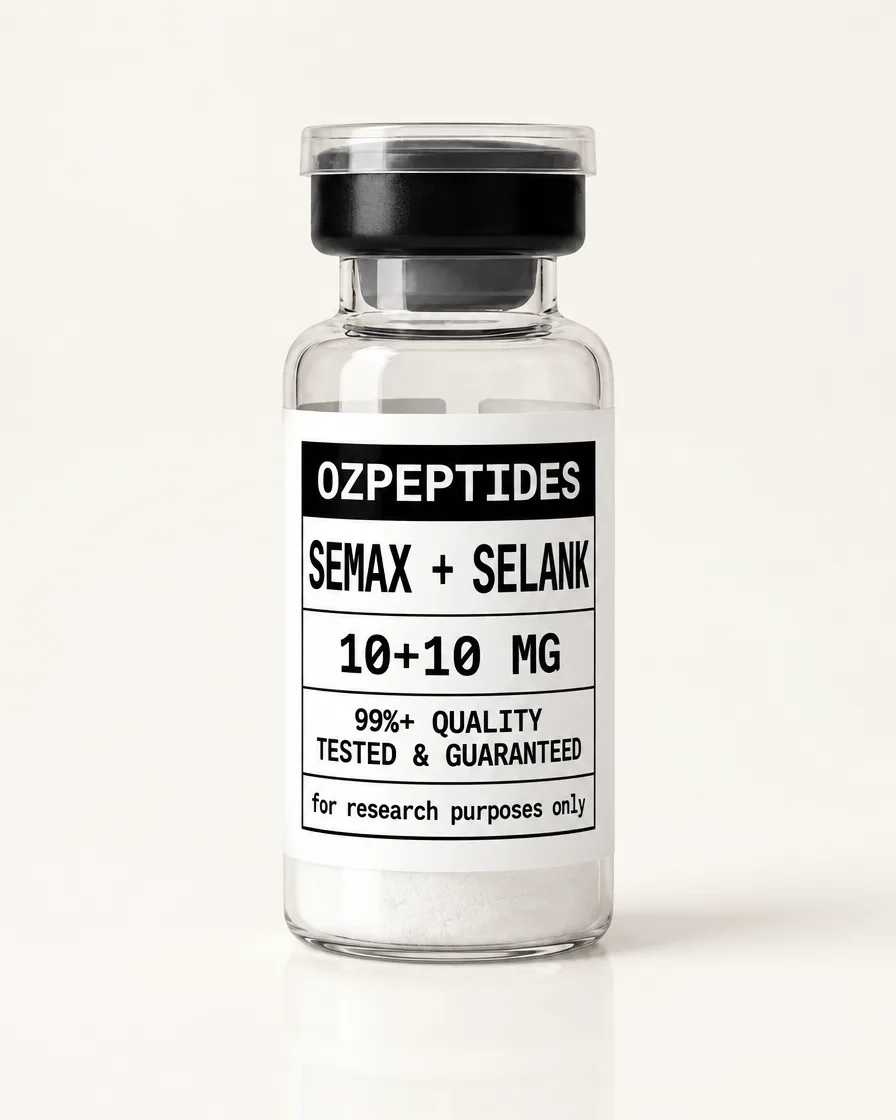
Within the Russian family, Semax and Selank have distinct research emphases: cognition and neuroprotection for one, anxiety for the other, with an overlap in reported BDNF effects. The combined blend pairs them at 10+10MG, labelled by component because with a combination the per-compound figure is the one that means something.
For anything where evidence quality is the deciding factor, oxytocin is the only compound here with an established clinical role — and its approved use has nothing to do with cognition.
Frequently asked
What do Semax and Selank have in common?
A design method: an active fragment of a larger molecule with a Pro-Gly-Pro tail added for stability. Their parent fragments and research emphases differ.
Why is the Russian literature treated cautiously?
Because much of it predates modern trial reporting standards and has not been replicated by unaffiliated groups. Volume is not a substitute for replication.
Is Cerebrolysin a peptide?
No. It is a mixture of peptides and amino acids from enzymatic breakdown of porcine brain protein, standardised by process rather than structure.
Does DSIP induce sleep?
The evidence is inconsistent. Later work frequently failed to reproduce the original findings, and no receptor has been identified in fifty years.
Cognitive
Neuropeptides for cognitive and neuroprotection research.
Nine compounds studied for cognition, mood and neuroprotection. Most come from one research tradition — Russian peptide development, which produced Semax, Selank, epithalon's relatives and a characteristic design method — and the rest are unrelated: a porcine brain-derived mixture, a hormone with a Nobel Prize behind it, and a designed ion channel blocker. The evidence quality varies more here than in any other category.
One design method, several compounds
Semax, Selank and their relatives share a construction method: take an active fragment of a larger molecule, attach a proline-glycine-proline tail that resists enzymatic degradation, and you have a peptide stable enough to study. Semax's fragment comes from ACTH(4-7), Selank's from tuftsin, a fragment of immunoglobulin G.
Recognising the motif is useful when reading this family, because it marks these compounds as products of one programme with one set of assumptions and one body of evidence. Pinealon comes from a related but distinct line, Vladimir Khavinson's peptide bioregulator work, which proposes that short tissue-derived peptides regulate gene expression in the tissue they came from.
Both were developed as intranasal formulations, and the published dose figures generally refer to that route — the olfactory pathway reaches the central nervous system without crossing the blood-brain barrier through circulation.
Reading a single-tradition literature
The Russian literature on these compounds is substantial in volume and largely unreplicated internationally. That is a methodological observation rather than a dismissal: trials that cannot be checked — because reporting is thin, the journal is not indexed, or no unaffiliated group has repeated the work — carry less evidential weight regardless of where they were run.
What it means practically is that publication volume is not a substitute for replication, and a compound with fifty papers from one tradition and none from outside it is not as well established as the paper count suggests. That applies to Semax, Selank, Pinealon and Adamax, and most acutely to Adamax, which has less even than its relatives.
Cerebrolysin is the opposite problem: a large international trial literature in stroke and dementia that Cochrane reviewers have found insufficient to support routine use, citing heterogeneity and risk of bias. Abundant evidence and inconclusive evidence are not the same thing.
The compounds that do not fit the pattern
Oxytocin is an approved medicine worldwide, registered in Australia for obstetric use, and among the first peptide hormones ever sequenced and synthesised — du Vigneaud's 1955 Nobel Prize established that peptide hormones could be made in a laboratory at all. Its social-behaviour literature, by contrast, has well-documented replication problems.
Cerebrolysin is not a peptide at all but a mixture of peptides and amino acids from enzymatic breakdown of porcine brain protein, standardised by process rather than by chemical structure. Questions about sequence and HPLC purity do not translate to it.
PE-22-28 is a designed blocker of the TREK-1 potassium channel, derived from the natural fragment spadin. Its target has genuine genetic support — TREK-1 knockout mice show a depression-resistant phenotype — while the compound itself has only rodent behavioural data.
DSIP is the cautionary example: named delta sleep-inducing peptide in the 1970s for an effect that largely failed replication, with no identified receptor in fifty years. The name is not a citation.
Why identity testing matters especially here
Several compounds in this category are sold in multiple variants that share one name and differ in mass. Semax comes in plain, N-acetylated and amidated forms; Selank in plain and amidated. They are distinct products with distinct behaviour, and an HPLC purity figure cannot tell them apart — purity measures the fraction of a single species present, not which species it is.
The obscure compounds raise the standard rather than lowering it. With a familiar peptide there is published reference data to check against; with something as thinly documented as Adamax there is only the supplier's own analytical work. Mass spectrometry per batch is what makes that work meaningful.
Regulatory status and sport
Oxytocin is registered in Australia; Cerebrolysin is registered in a number of countries in Europe and Asia but not here; Semax and Selank are registered medicines in Russia, which carries no weight in Australia. Nothing else in this category is approved anywhere.
For athletes, the compounds with no human therapeutic approval fall under the WADA S0 catch-all, prohibited at all times. Semax and Selank sit in an arguable position because of their Russian registration, and an arguable classification is a bad place for an athlete to be. Research-grade material carries no therapeutic use exemption pathway in any case.
Choosing between them
For anything requiring a defined molecule with known mass and structure, the synthetic peptides are the only option — Cerebrolysin is deliberately a mixture and cannot be characterised the way a single compound can.
Within the Russian family, Semax and Selank have distinct research emphases: cognition and neuroprotection for one, anxiety for the other, with an overlap in reported BDNF effects. The combined blend pairs them at 10+10MG, labelled by component because with a combination the per-compound figure is the one that means something.
For anything where evidence quality is the deciding factor, oxytocin is the only compound here with an established clinical role — and its approved use has nothing to do with cognition.
Frequently asked
What do Semax and Selank have in common?
A design method: an active fragment of a larger molecule with a Pro-Gly-Pro tail added for stability. Their parent fragments and research emphases differ.
Why is the Russian literature treated cautiously?
Because much of it predates modern trial reporting standards and has not been replicated by unaffiliated groups. Volume is not a substitute for replication.
Is Cerebrolysin a peptide?
No. It is a mixture of peptides and amino acids from enzymatic breakdown of porcine brain protein, standardised by process rather than structure.
Does DSIP induce sleep?
The evidence is inconsistent. Later work frequently failed to reproduce the original findings, and no receptor has been identified in fifty years.